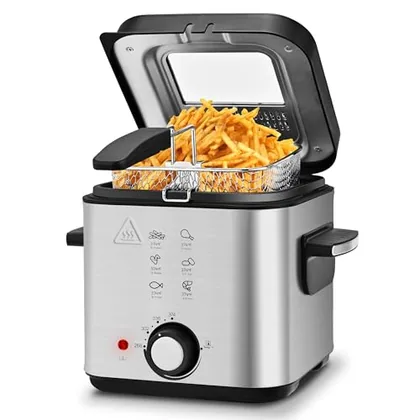
Pukomc Deep Fryers
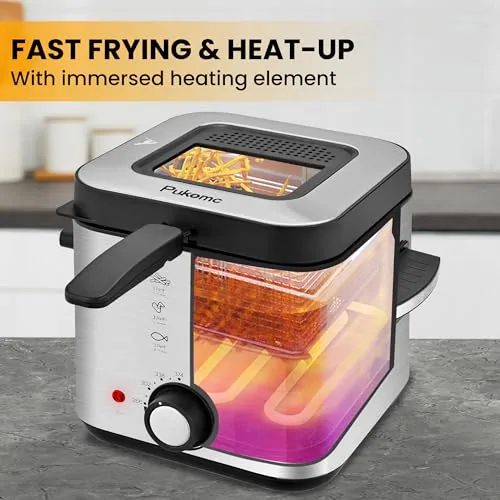
Deep Fryer, 1.5 L, Silver
Ref. PK-2FYC$47.99
We set out the kit a busy kitchen reaches for: five plate-size indoor grills, four deep fryers from 1.5 to 6 liters, slow-turn juicers, two-bowl ice-cream makers, 1.7-liter kettles, and eleven sensor bins that lift their lids for you. Every piece lands between $9.99 and $89.99. If you want to see how designing the touchpoints first changes the feel in use, read on.
Every figure on this page is counted from the pieces we currently make, not from a brochure.
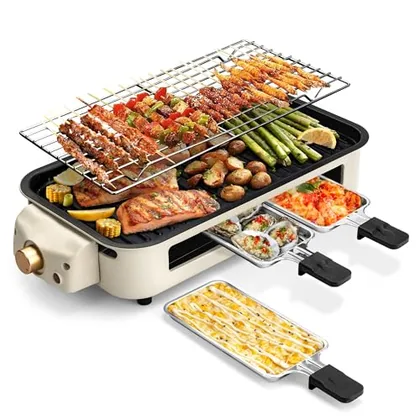
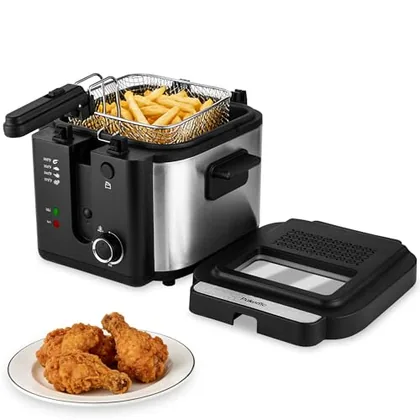
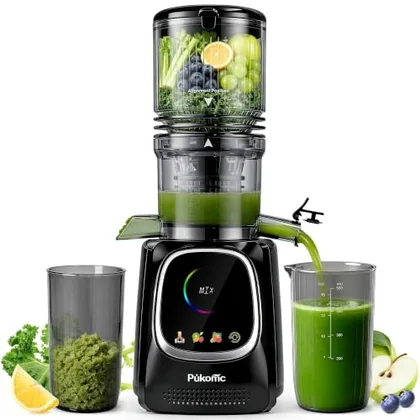
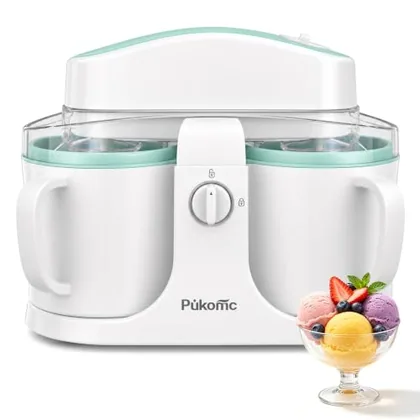
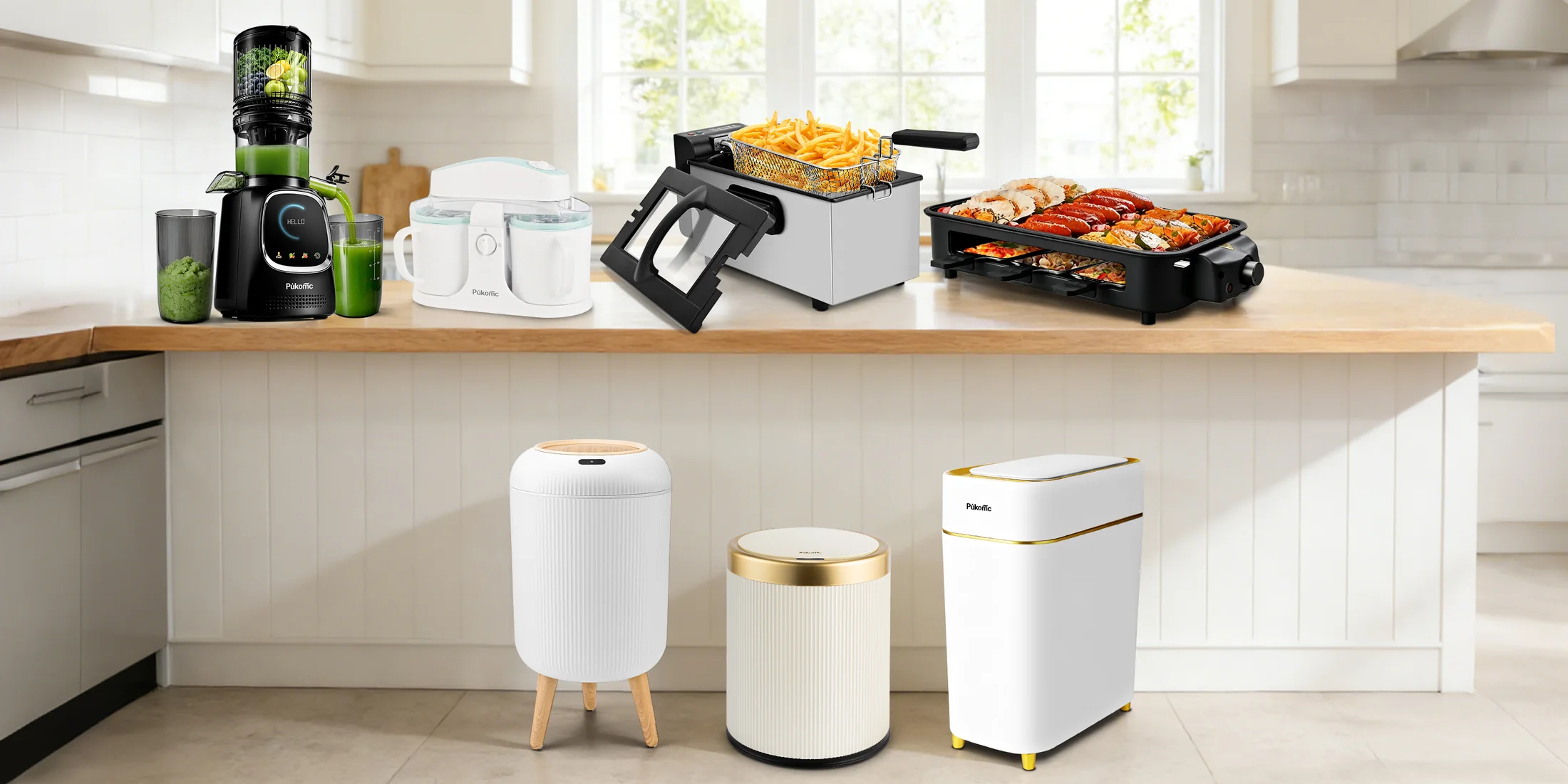
We build two families of countertop helpers: 16 kitchen machines and 11 sensor waste bins. Every one follows the rule that started with our first deep fryer: the surface your hand meets each day gets the budget first, and the casing comes after. Stainless hinges, soft-lift lids, knuckle-clear handles, touchless lids. The specs change across grills, fryers, juicers and bins, but the contact point never slips.
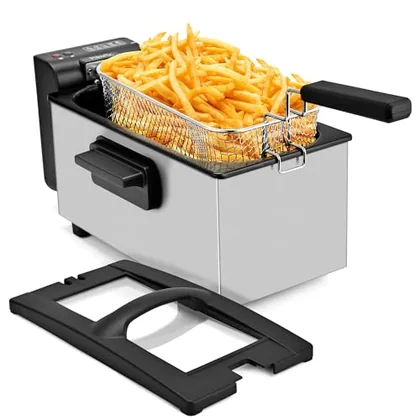
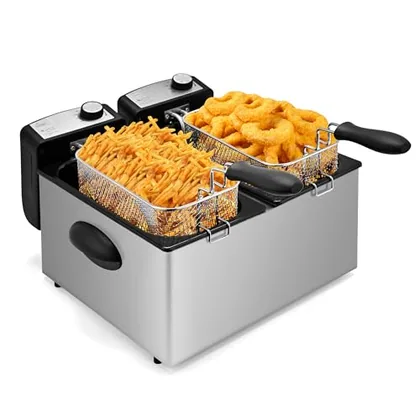
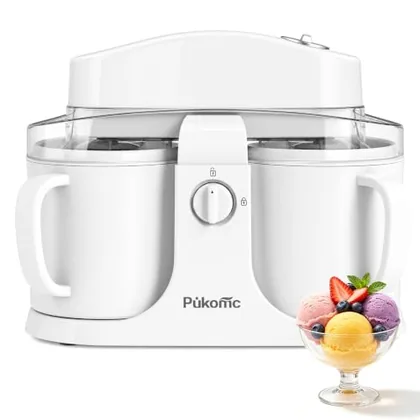
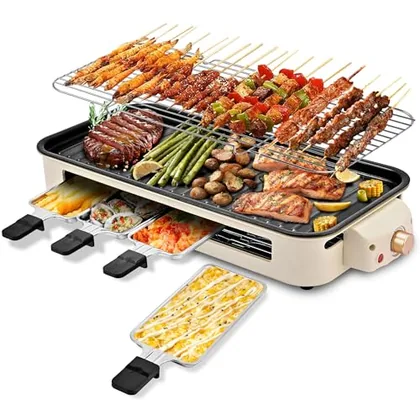
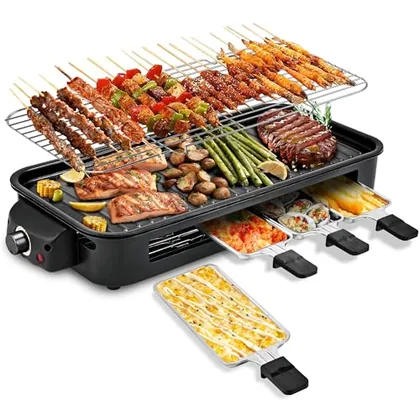
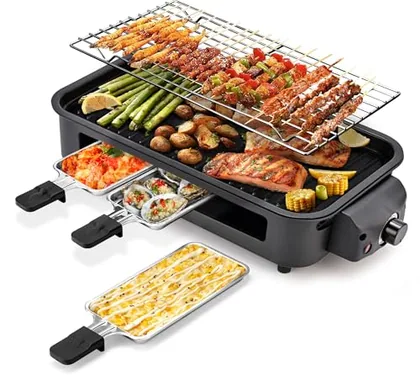

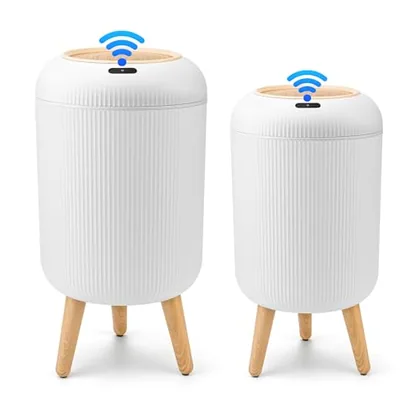

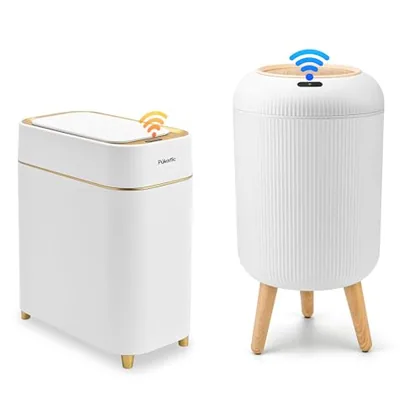
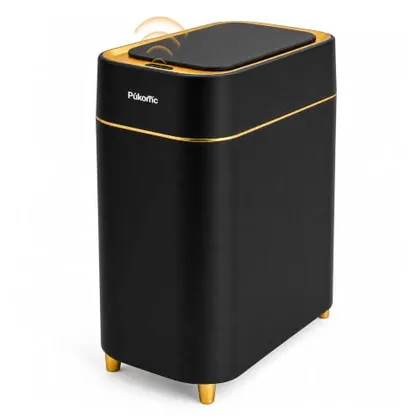
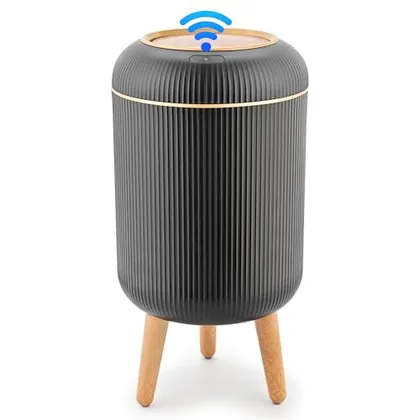
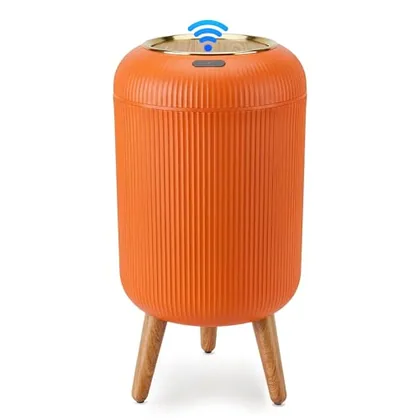
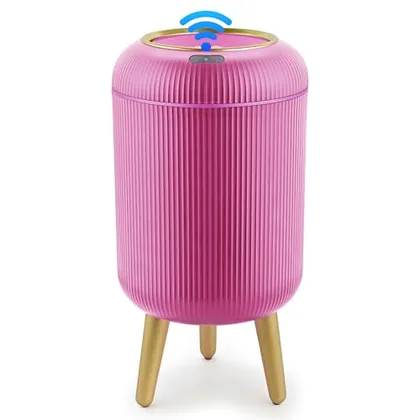
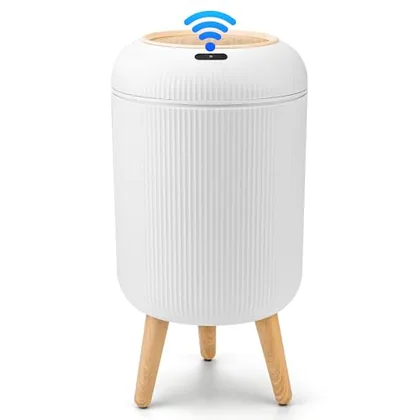
Pukomc references stay with the model: the code on a card is the same code a year from now. Ordering, payment, delivery and returns happen at checkout with our retail partner.
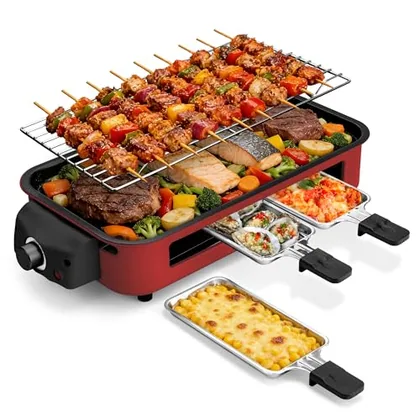
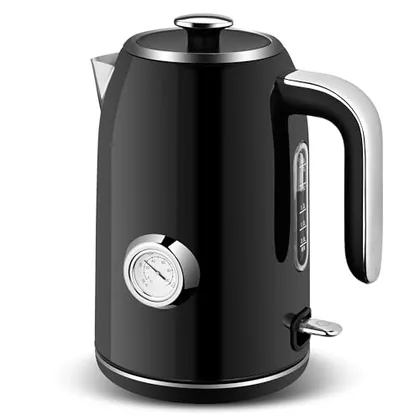
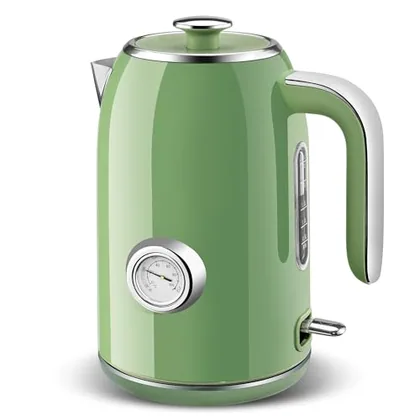
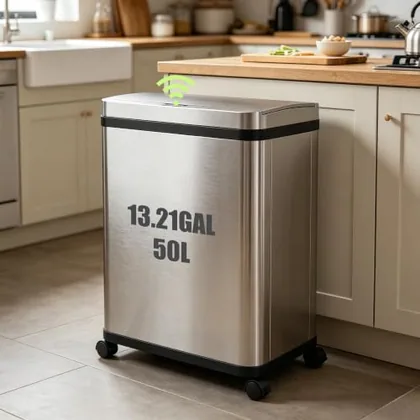
We show every fryer, grill, kettle and bin just as we shot it, so you see the surface finish and the angle of each handle. Each frame stays at its native resolution: nothing is stretched or blown up to pad space.
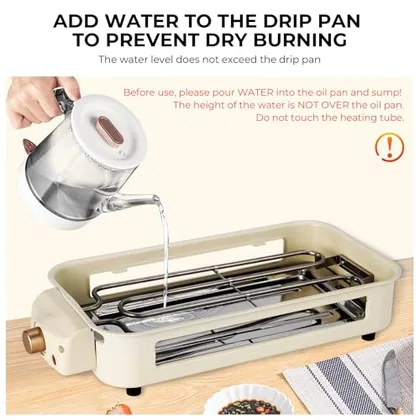
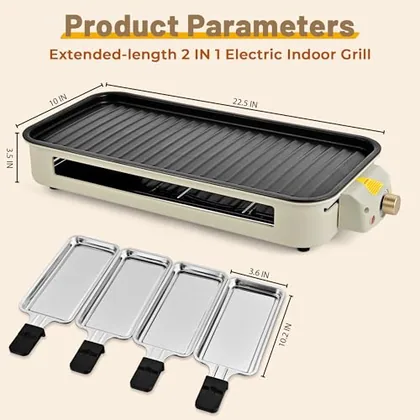
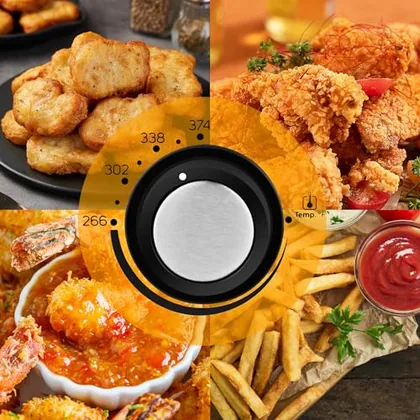
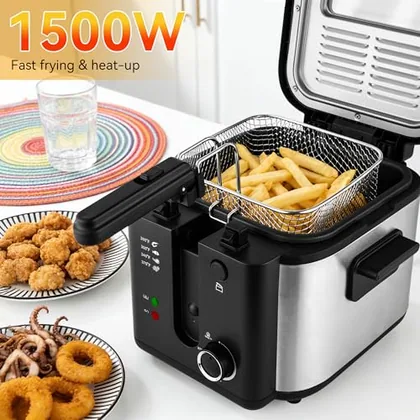
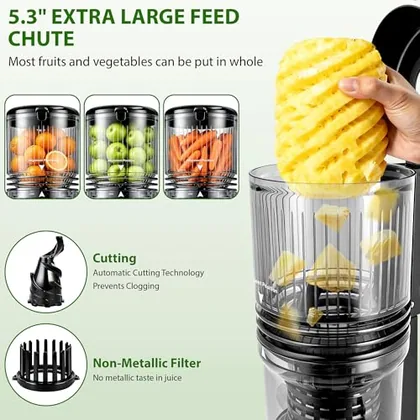

Everything started with a pot of oil on a borrowed counter top. The fryer we were using had a clever basket, but the handle sat exactly above the column of steam that escapes when you lift chips out. Each batch meant the same routine: thumb and forefinger gingerly searching for metal that had cooled just enough, wrist twisting away from the hiss, and still the sting of condensation on skin.
We had not set out to build appliances, only to make dinner, and yet that misplaced handle felt like an invitation. We sketched a safer grip the same night.
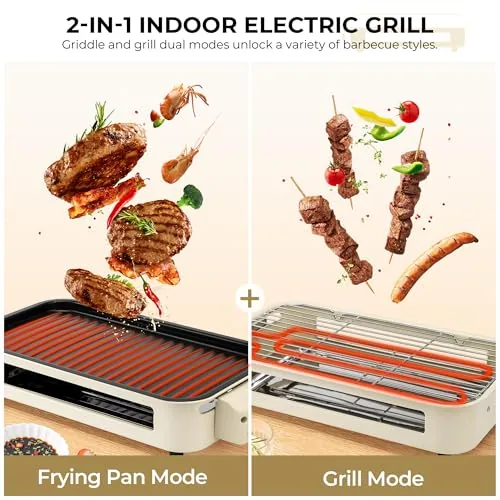
The sketch grew into a rule: design the part people touch first, then draw the casing around it. On the indoor grills that meant a 16 by 9 inch non-stick plate that comes out and goes in the sink, rather than a machine you wipe around.
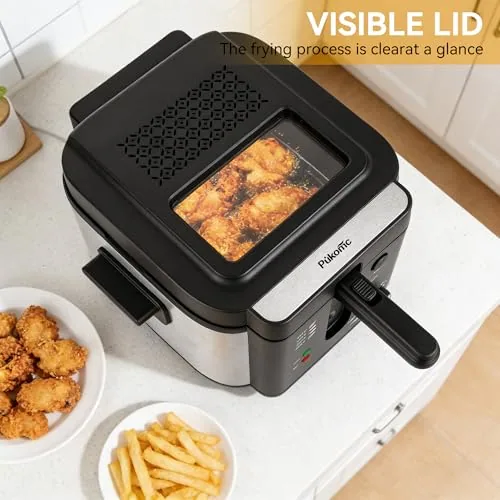
On the deep fryers it shows up as a basket arm offset to the side so knuckles meet air, not vapor, even on the double fryer, where six litres of oil sit across two baskets. The bins follow the same logic: the lid opens as a hand arrives and closes itself a few seconds later, so the part you never touch is the part that does the work.
We stay small on purpose. Twenty-seven pieces is a range one crew can plug in, listen to, and pack by hand without missing a rattle or a flicker. We let a single retail partner handle checkout and trucks, which means we cannot pick a courier or promise when a parcel will land at your door.
What we can promise lives on the shelf before anything ships: every thermostat dial clicks cleanly, every hinge passes its cycles, and the price you see here is the last price we updated. In short, we mind the machines. Someone else minds the route.
Staying focused also means keeping a line. A plastic part is described by the cycles it has taken rather than by a promise of decades, and the wording on a page stops where the machine does. We keep the electronics to what the job needs, because a sensor and a hinge are what a bin has to power on two AA batteries.
We avoid new finishes if we cannot source touch surfaces to match. More yes to food-grade 304 steel where water sits, less noise about buzzwords. The decision leaves us with fewer slogans and a shorter list of things that can go wrong.

So judge us by the things that move every day. Lift the fryer basket tonight and tomorrow: the joint should feel the same. Slide a spatula across the non-stick grill plate: no scratch, no wobble on the frame beneath. Pour from the 1.7 liter kettle with the lid open one inch and watch the arc stay true.
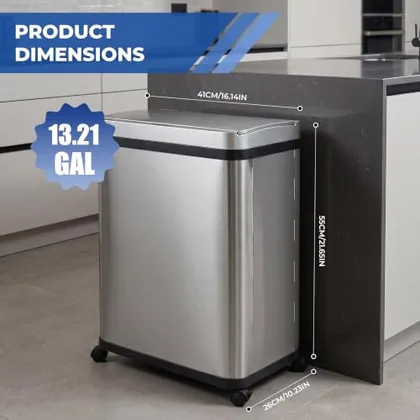
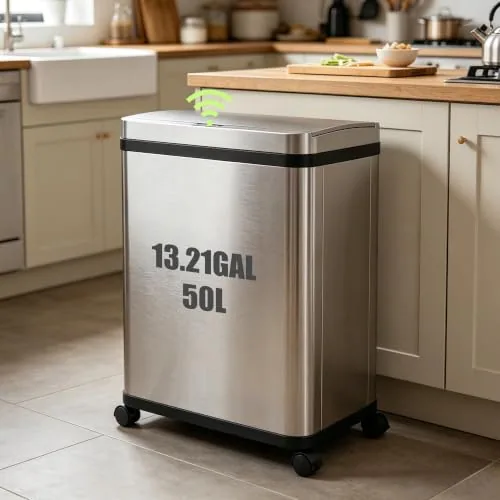
Wave at a 13 gallon bin on Monday morning and listen for the hush rather than a clack. If those moments stay steady after months of breakfasts, lunches, and dinners, we have done the work we meant to do.
We judge a machine by the part your hand meets first, every single day.
Every design session starts with the bit that once irritated us, never with the shell around it. The first time it was a deep fryer whose basket handle sat right over the steam plume, so lifting supper meant scalded knuckles. We flipped the sketch pad, drew a cooler grip, then built the tub to fit that grip.
The habit stuck. Today we begin with whatever finger, thumb, or palm will meet day after day: a kettle switch, a bin lid lip, a juicer plunger. Only when that piece feels right do we trace the housing.
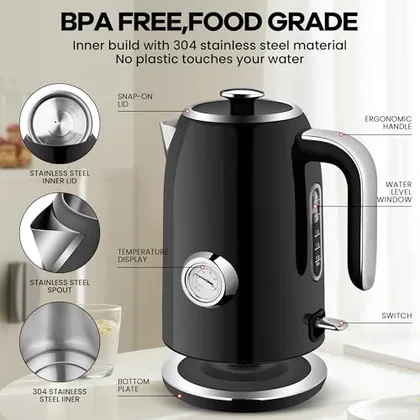
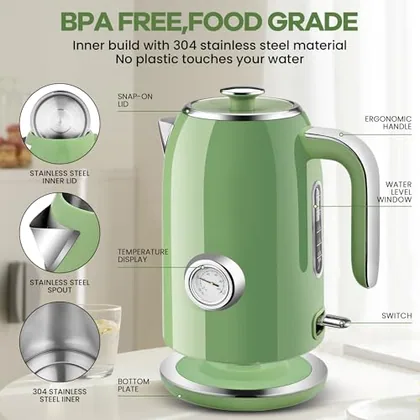
Food sneaks into seams, so on the two pieces that carry hot liquid all day we line the working chamber with food-grade 304 stainless steel. It sits on the kettle wall and spout, and again on the fry basket frame, welded as a single sheet without ridges.
Steel there wipes clean and shrugs off vinegar, salt, and oil. Where a surface never meets dinner we leave the alloy out. A sensor bin collar sees only air, so we mold it in ABS. Grill housings stay light with powder-coated aluminum, saving weight and cents without waste.
A machine fails the same four ways long before the motor gives up. Hinges sag, switches arc, thermostats drift, seals flatten. We pull those four parts off every prototype and run them on a bench rig built from scrap bicycle cranks. The jig opens, clicks, heats, and cools until it has clocked the number of uses a family racks up in a year, plus a safety margin we keep to ourselves.
If the hinge wobble grows or the thermostat misses target by more than a few degrees we redraw and start the count again.
After a batch clears the rig we still want human eyes on every unit. On the final bench a line operator wipes the casing, plugs the cord into a wall outlet, and stands back for ten seconds. The ready light must glow, the lid should rise or stay shut as commanded, and no whiff of hot plastic is allowed. Power off, cord coiled, barcode scanned, lid taped. Only then does the machine slide into its molded pulp cradle and the carton fold shut, ink side out, waiting for the pallet.
Every machine here starts with people, not CAD. Around a worktable we argue over five points: where the hand lands, what overheats, how the hinge feels after a year, whether cleanup takes longer than cooking, and which part fails first. A model only moves forward when every answer sounds like something we would use at home.
Every model starts with the part that irritated somebody: a handle above the steam, a lid that needed two hands, a plate that would not fit a sink. That part is drawn first and the housing is drawn around it.
Decides where food-grade 304 goes and where it honestly is not needed, and says no to the cheaper coil when the part sits in heat and detergent for years.
Runs hinges, switches, thermostats and seals far past a year of household cycles. A model that fails here goes back to the first bench rather than into a box.
Before packing, somebody runs the machine and looks at it. A thermostat that reads right and heats slowly passes every automated test and fails this one.
Quality is only real when you can count it. We run every hinge, switch, thermostat and seal through more than a year of stop-start household cycles before a machine leaves the bench. Two kettles carry food-grade 304 stainless from liner to spout, six grills and fryers hold non-stick plates, and every fryer hits its stated 1500 watts in use.
Food-grade 304 stainless where water and food touch the metal. Pieces whose contact part is coated aluminium say so on their page.
An adjustable thermostat on all four of our fryers, because a fixed element is the reason food burns on the outside and stays cold inside. Our grills do not state one, so we do not imply it.
Removable plates, lift-out baskets and wide openings. A machine that can only be wiped around is a machine that stops being used.
Hinges, switches and seals are bench-run well past a year of household cycles before a model is approved.
Every kettle, grill or bin starts with a material list. If we can measure it, we print it. Food-grade 304 stainless on two machines, BPA-free plastics on others, non-stick plates where stated. Public guidance anyone can check sits behind those words, from federal food-contact advisories to state recycling notes, and it is what matches steel, resin or coating to the temperatures and loads those papers set.
| What is stated | On how many | Where it applies |
|---|---|---|
| Food-grade 304 stainless steel | 2 pieces | Kettle liners, spouts and lids where water sits. |
| BPA-free contact plastics | 2 pieces | Plastic parts in direct contact with drinking water. |
| Non-stick cooking surface | 6 pieces | Grill plates and fryer interiors that meet food directly. |
| Adjustable thermostat | 4 pieces | Heat set by the cook rather than fixed by the element. |
Every figure on a card belongs to that exact machine.
Before you decide where the fries or wings will live, it helps to see how the four main approaches line up. We set a simple stovetop pan beside a full-size air fryer, a restaurant-style unit, and one of our Pukomc countertop machines. It's a look at equipment types, not competing brands. The table keeps to facts you can check before ordering: temperature control, preset range, heating method, clean-down routine, and the counter space each needs.
| Option | Temperature control | Settings | How it heats | Cleaning | Footprint |
|---|---|---|---|---|---|
| A stovetop pan | No | None | Whatever the hob gives | Pan and hob after | Low |
| A full-size air fryer | Yes | Preset programmes | Fan-forced, no oil | Basket and drawer | Large |
| A restaurant-style unit | Yes | Wide range | Fast, high power | Dismantled to clean | Very large |
| A Pukomc countertop machine | Yes | Adjustable on 4 of 24 | Plate heats directly, indoors | Lift-out plate or basket | Countertop |
A countertop machine enters a kitchen on the promise of numbers: wattage, liters, inches. It stays on the counter for something smaller, the detail you did not read in the spec sheet but feel every day. The click that tells you the basket is seated, the lid that rises without dumping condensation on your wrist, the juicer spout that clears the mug, not the bench.
We learned fast that the forgotten half inch around a hinge or the reach of a handle decides if the machine becomes a habit or is shoved in a cupboard. Even the small thunk of the latch settling sets the tone for breakfast without you noticing. Every project here starts with that reminder.
Anyone can print a wattage. The question worth answering is what happens to the handle after two hundred dinners.
Designing around a detail turns the usual order upside down. We begin with the spot a hand, fingertip, or knuckle meets the machine, and only then sketch the walls that hold the motor and the wiring. On the 16 x 9 inch grill plate we drew the thumb recess on the grease tray first, because a tray that will not budge when it is hot ruins the evening.
Our 1.7 liter kettle started with the angle of the spout so steam clears the pouring wrist. Dimensions grow outward from that point like frames around a photograph, not the other way round. By treating the contact points as fixed and everything else as movable, we avoid excuses later.
Heat is the easiest claim to print and the hardest to get right. A fixed element that never changes output will brown the crust and leave the middle pale because food absorbs heat in waves, not at one setting. We fit adjustable thermostats on four of our machines, all rated 1500 watts where the spec calls it out, so a fry batch that starts frozen can ride hotter and finish lower without guesswork.
Protein, batter, and root vegetables each ask for their own wave of heat, so the dial earns its keep. The dial matters less for the number printed beside it than for the silence when it clicks off, telling you the oil sits where you asked it to.
Stainless steel invites strong feelings, yet most surfaces on a countertop machine never see anything harsher than a damp cloth. We reserve food-grade 304 for the two parts that face water and heat every day: the kettle liner and the pouring spout on two pieces in the line.
Elsewhere a tougher polish or a paint coat does the same duty at less cost to you. We do not pretend the outside of a waste bin needs marine grade alloy, only that it should wipe clean without pitting. By putting the expensive steel only where flavor and rust meet, we stay honest.
We count two such uses in the catalogue today and will not pad the tally to impress.
Liters and quarts sound exact until you forget the shape they hide. A 3 liter fryer that is tall and narrow will flood the basket when foods bubble, while a shallow 2.5 liter pan may give more surface to crisp a cutlet. We publish capacity on every box, yet we also list the four sizes together, 1.5, 2.5, 3, and 6 liters, so you can picture the jump instead of guessing.
When we test a recipe we note the oil depth, not only the total volume, because a fryer is a geometry problem. Volume still matters, but it is the submerged footprint that tells you if a chop will lie flat. The right shape saves oil and spares cleanup.
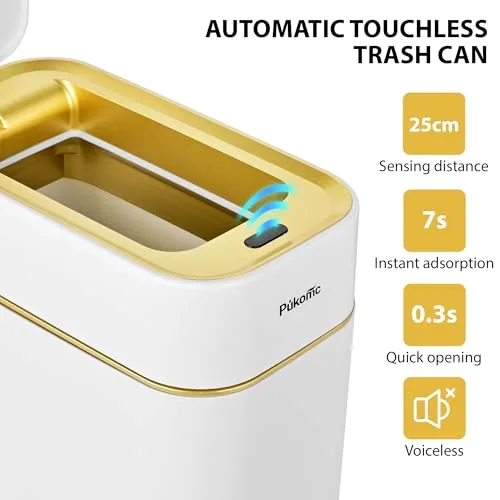
Sensors sell the story, yet on an automatic bin the hinge decides how long the story lasts. Our bin lids cycle thousands of times without help, so the motor sees an easy lift, not a wrestle. We build eleven capacities and shapes, from 2.3 to 13 gallons, and every one starts with the same test: does the pivot sit far enough back that the front lip clears a piled plate?
If the answer is no, the lid shape changes before a sensor is wired. A lid that stutters open betrays every claim the sensor makes, so we keep the motion plain and sure. A quiet motor, a clean seal, and batteries that stretch depend first on that hidden arc.
Honesty also means staying silent where we have nothing to add. A carton carries the material, the capacity and the wattage, and nothing that cannot be checked against the machine inside it. We stay away from the word warranty too, beyond what the law already grants you.
Awards, patents, celebrity endorsements, all fine trophies, but they do not cook a steak or swing a bin lid. We would rather spend the line on a dimension you can measure than on praise you cannot verify. The day we earn one we will still lead with the dimension, not the ribbon pinned beside it.
The surest way to retire a machine early is to make cleaning feel like homework. A grill plate that forces you into the corners with a toothbrush soon hides in the pantry. We coat six of our cooking surfaces in non stick precisely to shorten the soak, but a coating alone is not enough.
Handles unclip, drip trays walk straight to the sink, and the bin liner ring lifts clear so a bag change does not feel like surgery. If scrubbing is the memory that follows dinner, the machine falls out of rotation. If it stalls at the cleanup stage the joy drains away faster than the sink fills. We design for the rinse you accept.
Everything we keep on the catalogue comes back to the daily detail: the feel of the hinge, the pace of the thermostat, the shape of the basket, the wipe that actually reaches the corner. What we chase is the moment tomorrow morning when you reach for the same machine again because nothing pinched, burned, or splashed you today.
That is the whole approach. Simple parts, tested longer than a calendar can show, built in batches small enough for a person to plug in and see with their own eyes. Ordering, payment, delivery and returns happen at checkout with our retail partner.
| Line | Pieces | Price range | What it is for |
|---|---|---|---|
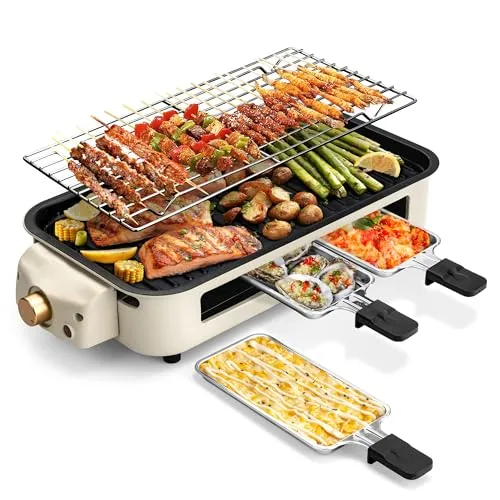
| Indoor Grills | 5 | $44.99 to $58.98 | Two-in-one electric grills for a kitchen without a garden. |
| Deep Fryers | 4 | $47.99 to $99.99 | Basket fryers with adjustable temperature, from 1.5 to 6 litres. |
| Cold Press Juicers | 1 | $89.99 to $89.99 | Slow squeeze rather than fast shred, with a chute wide enough for whole fruit. |
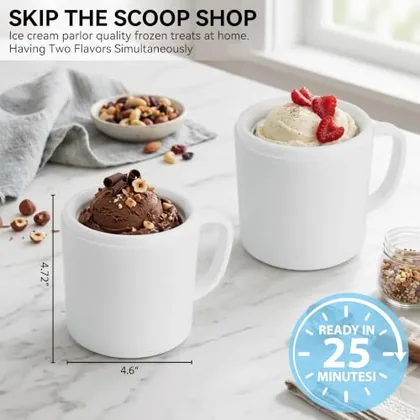
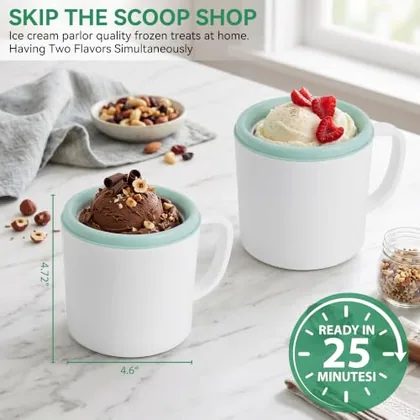
| Ice Cream Makers | 2 | $49.99 to $55.99 | Two bowls, two flavours at once, frozen overnight and churned in the morning. |
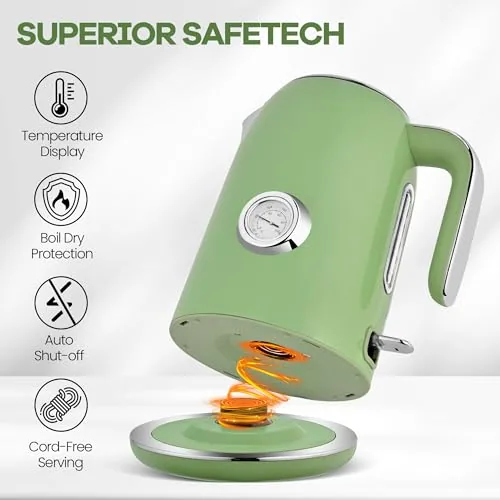
| Electric Kettles | 2 | $49.99 to $51.99 | Food-grade 304 steel where the water touches, and a thermometer on the front. |
| Sensor Bins | 10 | $31.99 to $54.14 | Lids that open on approach, from a 2.3 gallon bathroom bin to 13 gallons in the kitchen. |
Every quotation below is a customer's own words, printed as they wrote them, spelling and complaints included. We publish the ones that are not five stars as well, because a page of nothing but praise tells a reader nothing.
A beautiful kettle but it’s so thin and poorly made that I knew it probably wouldn’t last long.
The automatic lid doesn’t work. At first it wouldn’t stay automatic and would have to try a set it each time I opened, now I have to pry it keeps changing to red and won’t open at all. Disappointed because it looked nice in my bathroom
Unfortunately not impressed. Takes a long time to heat up. Loses heat very fast, lower pockets got to watch very close. I really only use it to cook my onions n use my other cookers for the food
Used only one time. Need to use more to see how it really works
This is an awesome machine. Allows you to make two separate ice creams. Easy to use and the results are fantastic. Just 5 ingredients gets you started. The accompanying instructions have recipes but it’s in metric. The answer is to Google the ice cream maker and what ice cream you want to make.(ex: "Chocolate ice cream Pukomic")UPDATE: Tips for best results. chill mixture for 2-3 hrs min. Freeze cup for 18+ hrs or next day. Churn for 15-20 min max, then transfer to a container to freeze. Basic Vanilla. Makes 1 pint - 1 cup whipping cream, 1/2 cup whole milk,1/4 cup sugar, 1/2 tsp vanilla extract, pinch of salt. That's it! I've made Chocolate, Strawberry, Vanilla, Butter Pecan, Peach, Pralines and Cream, Lemon Sherbet, Cookies and Cream and Coffee ice cream, so far.You will definitely want to get some pint container with lids.
This smart bathroom trash can has been such a great addition to my home. The motion sensor works quickly and reliably, so I never have to touch the lid, which makes it much more hygienic. It’s quiet, easy to use, and feels surprisingly high quality. Definitely worth it if you want a cleaner and more convenient bathroom setup!
I lived in Geneva during my Fourth Grade year and tried Raclette for the first time time in my classmate Thierry's house on long lunch...yes, we had about two hours of lunch and most people went home to their families. In warm months we could even go swimming and in cold months we could even go ice skating...then back to the class for the afternoon. My family subsequently purchased a Raclette set and we ate it ofter ourselves. We brought it back to the States but we did not have a 220V transformer...so fast forward to my own family...I can share the love of Raclette with my kids. The thing is, you don't have to use expensive imported cheese, you can use ordinary hard cheeses and well as domestic gourmet cheeses...even brie and goat cheese is good. This unit has a grill top, and you can also use that for protein like sliced chicken breasts and additional browning of steamed potatoes and other various vegetables. Temp control was great and the modular design was easy to clean afterwards...for this price point, you will have a nice set for home use.
It’s big, it’s beautiful, and I get a lot of compliments! It heats up fast, and it is highly decorative. Works great!!
I was pleasantly surprised. Food comes out crispy on the outside and well cooked on the inside while using much less oil. The controls are easy to understand and cleaning is simple after cooking. It has a good capacity and works very well for preparing quick meals for the whole family.
86 reviews across 12 of our machines were read for this page, 22 of them below five stars. We print them as their authors wrote them, spelling and complaints included.
Three long reads on the things that decide whether a countertop machine is still in use a year after it arrives.
Litres are the number on the box. Heat-up, basket clearance and how the lid comes off are the numbers that decide whether the machine is still on your worktop next winter.
3,593 words · 16 minute read How toAn indoor grill is not a small barbecue. It heats differently, it smokes for different reasons, and the temperatures that make food safe are published figures rather than opinions.
3,513 words · 16 minute read Living with itA touchless bin is bought for the moment both hands are full and abandoned over one part. Here is which part, and what to check before you buy.
3,515 words · 16 minute readFive checks worth making on any countertop machine, and what our own figures say.
| What to check | Pukomc | A machine sold with none of this |
|---|---|---|
| Capacity | Stated per machine: basket volume, plate size, feed chute width or litres. | A size in the name and nothing about what actually fits inside. |
| Certificates | None claimed, because none is stated on these machines. | A safety badge in the picture with no standard named and nothing to read. |
| Ratings | Printed where a rating was collected and blank where none was. | One average for the whole shop, which says nothing about the machine in the box. |
| Reviews | 22 of 86 published quotations sit below five stars, faults included. | A wall of five star quotes with no way to tell what was left out. |
| Price | Updated on a schedule and dated on one page. A machine with no buyable price leaves the range. | A price that stays on the page after the machine has gone. |
Yes. We make small kitchen machines: fryers, grills, juicers, ice cream makers, kettles and sensor bins, 24 pieces in all. Every card here carries a reference like PK-22B9 and the specification we publish for that exact machine.
The parcel is not ours. Ordering, payment, delivery and returns happen at checkout with our retail partner, and the dispatch address on the box is theirs. We design and publish the machines and their specifications.
The return goes through the retail partner you ordered from, inside the window shown at checkout. If a machine arrives damaged or fails out of the box, start the return there.
Warranty and returns are settled where the order was placed, under the policy that applies there.
By capacity and by what the machine has to fit on. The fryers state their basket volume, the grills state the plate size, the juicers state how wide the chute is and the kettles state their litres. Measure the worktop first: an appliance that runs well is still the wrong one if the lid cannot open under a cupboard.
Of the 86 quotations published here, 22 sit below five stars, printed word for word. They are the ones worth reading first: praise tells you a machine works, criticism tells you where it does not.
They are our own figures, updated together on a schedule. The date of the last update is on the prices page. The price you pay is the one shown at checkout.
Because they are different pieces with their own reference. Every card carries a reference like PK-22B9, and that code stays with the model.
Only where we have collected them. Where a rating is missing from a piece, the line is absent rather than filled with a zero.